
International Day to End Obstetric Fistula
What Is the International Day to End Obstetric Fistula?
In 2012, the United Nations established May 23rd as an International Day of Observance to raise awareness around obstetric fistula. The goal is to raise awareness about this severe childbirth injury effecting women around the globe in low-resource settings. This year’s theme is “Breaking the Cycle: Preventing Fistula Worldwide,” focusing on equitable access to quality maternal health services.
WFF lifts up and supports this initiative so that collectively, we can end obstetric fistula by 2030 as outlined in the 2018 UN General Assembly resolution.
- Read the UN Resolution
- Read more about the observance of International Day to End Obstetric Fistula (IDEOF) on the United Nations site
Breaking the Cycle: Support, Reintegration, and Outreach
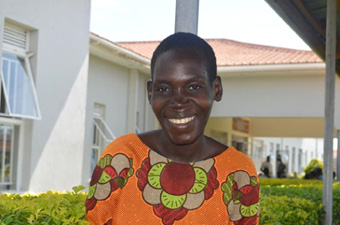
I want to restart my small business of selling eggplants and silver fish to find ways to support my children to go to school and provide for my family. But immediately [when] I go back home, I will go and visit the girl in my village who suffered with a childbirth injury. I will pay attention to her and encourage her to come to the hospital and get healing just like me.
What happens to women who suffer this condition?
Women with obstetric fistulas face severe consequences. Most babies do not survive, and women may experience nerve damage and long-term health issues. They cannot control their bowels and/or urine, leading to social isolation and rejection. Many are outcasts from their villages and suffer for years before receiving treatment.
Childbirth injuries can happen to anyone, especially those facing risk factors such as lack of access to healthcare facilities. That is why we use the tagline “She is Us.”
What does WFF do to help? What makes WFF unique in addressing this issue?
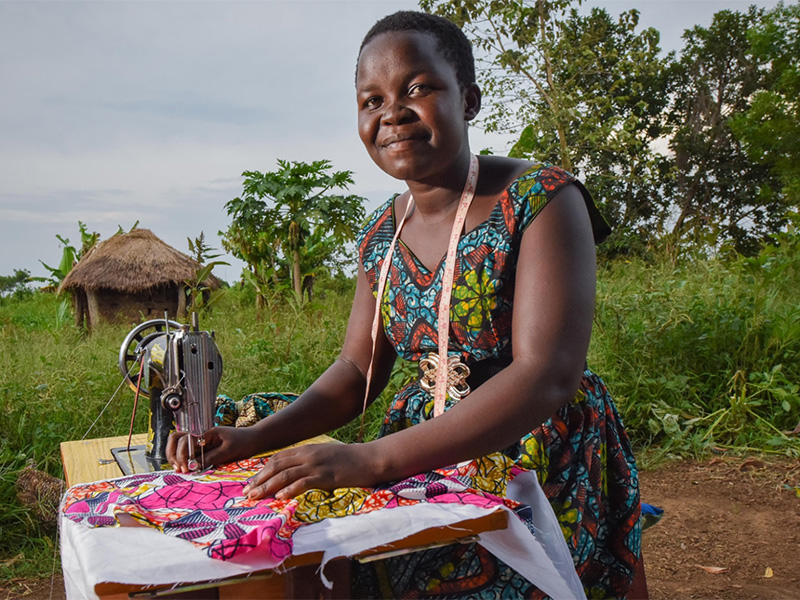
WFF supports local community leaders in addressing childbirth injuries through four main pillars:
- Rural Patient Outreach: Connecting patients to treatment.
- Free Surgical Treatment: Providing surgeries with pre- and post-operative care.
- Social Reintegration: Offering health education, support groups, and vocational training.
- Community Prevention Education: Training healthcare professionals to expand capacity.
WFF currently operates in five countries in Sub-Saharan Africa: Burkina Faso, Ethiopia, Kenya, Niger, and Uganda.